
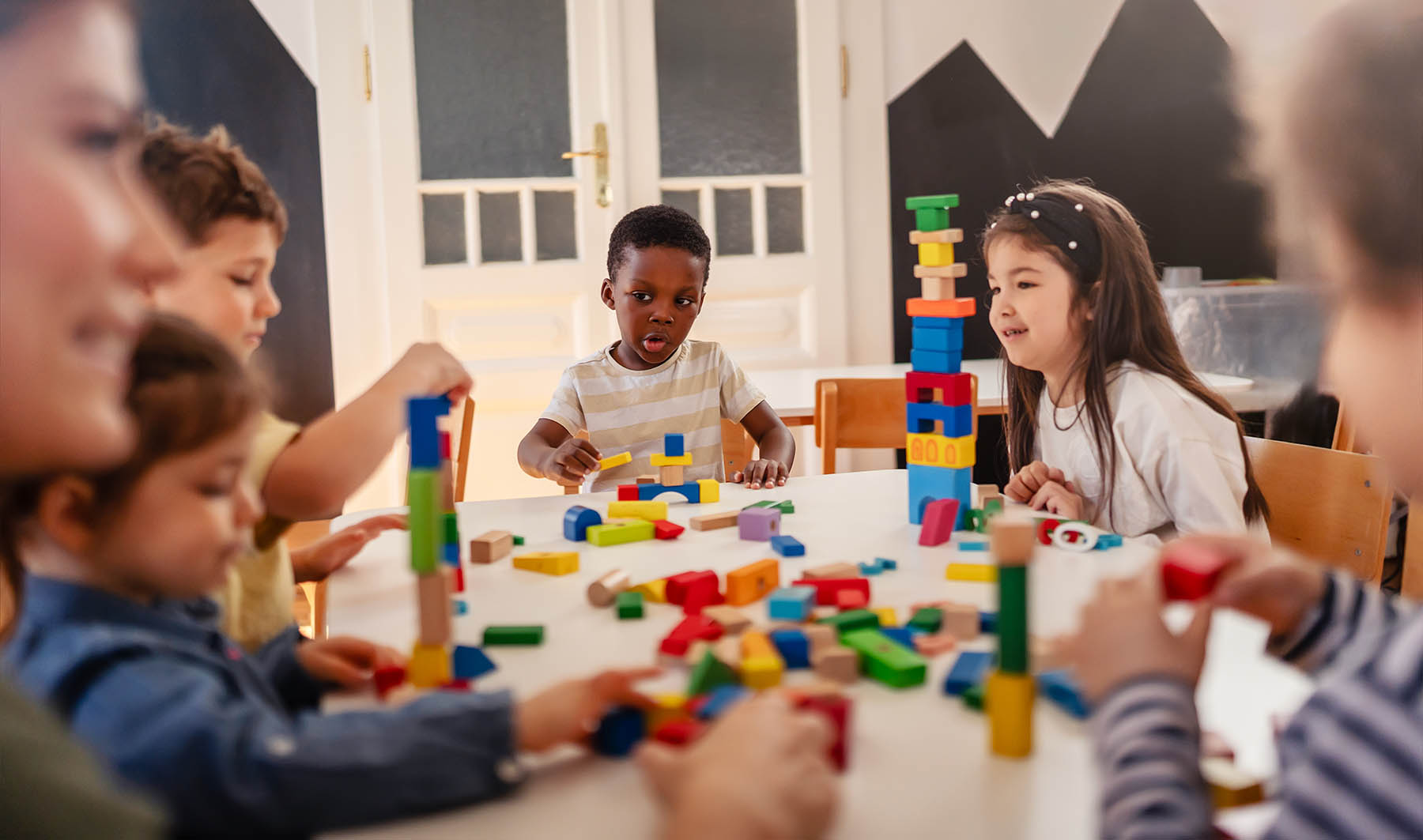
Play is far more than mere recreation; it is a fundamental human activity that serves as a powerful catalyst for developing and refining social skills at every age. From the earliest interactions of childhood to the sophisticated engagements of adulthood, play facilitates learning, connection, and the mastery of complex social dynamics.
Childhood: The Foundation of Social Competence
For children, play is the primary vehicle for social learning. Rough-and-tumble play, imaginative play, and cooperative games provide rich opportunities for developing essential skills. In these scenarios, children learn sharing, turn-taking, and negotiation. They practice empathy by stepping into different roles, understanding diverse perspectives, and responding to others’ emotional cues. Conflict resolution naturally arises during play, as children learn to compromise, advocate for their needs, and manage disagreements. Pretend play specifically enhances theory of mind, helping children understand that others have different thoughts and feelings, a cornerstone of genuine social connection. The development of communication skills, both verbal and non-verbal, is also organically fostered as children interact with peers.
Adolescence: Navigating Complex Social Landscapes
During adolescence, play evolves but remains crucial for social development. Group sports, board games, role-playing games, and even creative pursuits like band practice or drama club provide structured environments for social interaction. These activities demand collaboration, strategic thinking, and effective communication within a team. Adolescents learn to manage group dynamics, understand social hierarchies, and practice leadership and followership. Play at this stage helps teenagers solidify their identity within a peer group, build friendships, and navigate the complexities of social acceptance and belonging. It offers a safe space to experiment with different social roles and behaviors without real-world consequences, enhancing their social confidence.
Adulthood: Maintaining Connection and Well-being
Even in adulthood, play remains a vital tool for social health. Engaging in recreational sports, hobby groups, game nights, or even simply humorous banter with colleagues strengthens social bonds and reduces stress. Adult play fosters camaraderie, provides opportunities for networking, and helps maintain a sense of community. It allows for spontaneous social interaction, reinforces cooperation, and can even improve problem-solving skills within a group context. Furthermore, shared playful experiences contribute to emotional well-being and combat feelings of isolation, demonstrating that the profound social benefits of play are truly lifelong. Ultimately, embracing play at any age enriches our capacity for meaningful connection and contributes to a more vibrant and interconnected society.